
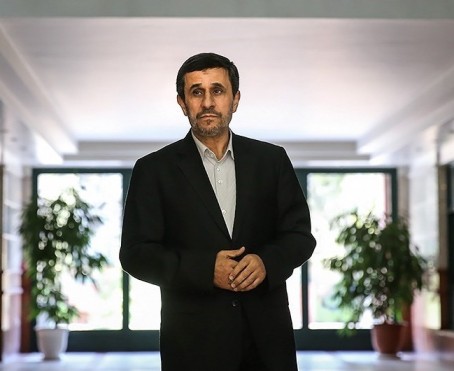
Recent developments have sparked renewed debate over the United States and Israel’s strategies regarding Iran, amid claims that Israel once sought to position Mahmoud Ahmadinejad as a leader. During his presidency from 2005 to 2013, Ahmadinejad was known for his aggressive rhetoric towards Israel. However, he later attempted to reshape his image as a regime critic and advocate for the underprivileged, following a fallout with Iran’s supreme leader, Ali Khamenei. Allegedly, Israel executed a plan to bomb a security building near Ahmadinejad’s residence in Tehran to assist his escape from house arrest, although he reportedly became apprehensive about this scheme.
The narrative, originally reported as either improbable or potentially disseminated as disinformation by Ahmadinejad’s advocates or Israeli intelligence, underscores the miscalculations by the US and Israel regarding the Iranian regime’s opposition and their limited ability to destabilize it through military means. Meanwhile, domestic pressures, particularly rising gas prices, have prompted former US President Donald Trump to reconsider his stance on the conflict. Although he delayed a new attack after input from Gulf leaders, Trump engaged in discussions with Israeli Prime Minister Benjamin Netanyahu about possibly resuming actions against Iran.
Trump expressed confidence in Netanyahu’s alignment with his directives, emphasizing a strategic interest in maintaining open navigation through the Strait of Hormuz while downplaying any urgency tied to US political timelines. On the other side, Iran remains defiant against Washington’s demands concerning uranium enrichment, seeking to prioritize lifting sanctions over nuclear negotiations as it maintains a blockade of the Strait of Hormuz. The US has countered with its own blockade on Iranian ports to disrupt the nation’s oil exports to China. In response, the Islamic Revolutionary Guard Corps has cautioned of broader conflict if US hostilities resume.
Speculation around Ahmadinejad’s potential role resurfaced following Israeli strikes near Tehran, which were initially rumored to have resulted in his death. Subsequent reports clarified that the attack targeted a security site near his residence, resulting in minor injuries to Ahmadinejad and the death of his bodyguards. Despite his historical opposition to Israel, Ahmadinejad’s strained relationship with Iran’s leadership complicates any potential alliance with Netanyahu, particularly given his Holocaust denial and anti-Israeli policies.
Ahmadinejad’s political influence waned after disputes with Khamenei and the rise of rival Ali Larijani as parliamentary speaker, marked by disagreements over policy and Ahmadinejad’s nationalistic tendencies. Although arrested in 2018 for criticizing the government, he has been consistently barred from future presidential elections. Recently, his stance appeared to soften, evidenced by a visit to Hungary for a speaking engagement, sanctioned by the government, which signified a notable shift in his international posture since his presidency ended.