
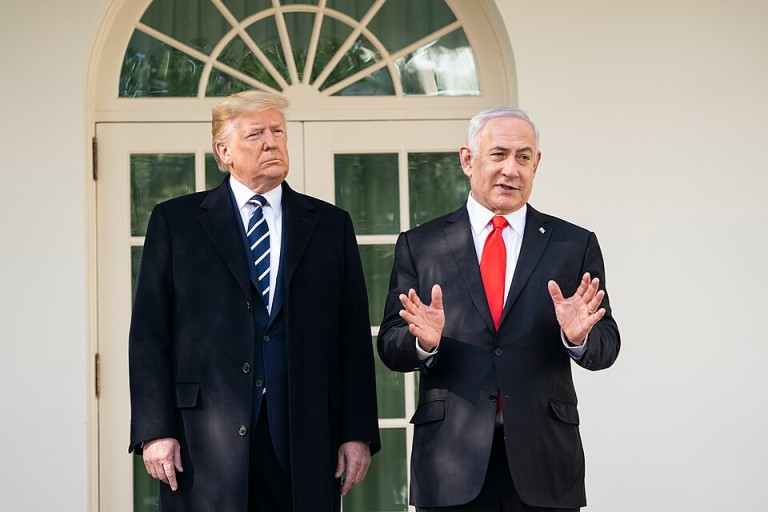
In a recent critique of Israeli Prime Minister Benjamin Netanyahu, US President Donald Trump highlighted complications in the ongoing peace negotiations between the United States and Iran. As both nations draw closer to formalizing a peace agreement, aimed at concluding over three months of conflict in West Asia, Trump expressed his discontent with Netanyahu’s handling of Israeli military actions in Lebanon. These actions, according to Trump, have hindered efforts to finalize a ceasefire and establish a broader peace framework with Iran.
The conflict in the region intensified after Hezbollah, supported by Iran, became involved in the fighting, leading to sustained clashes with Israeli forces. The resulting violence has not only displaced a significant number of civilians but has also sparked fears of broader regional instability. Trump noted that Israeli strikes on Beirut were a significant factor in delaying the US-Iran agreement, which in turn complicated the delicate negotiations. Despite these challenges, Trump reaffirmed the importance of continued American support for Israel, citing ongoing regional security threats.
The United States and Iran have reached a preliminary agreement that includes halting military operations, reopening the Strait of Hormuz, and lifting restrictions on maritime traffic in the area. This agreement is expected to be officially signed in Switzerland later this week. Following the signing, a 60-day negotiation period will commence, focusing on unresolved issues such as Iran’s nuclear program and broader security arrangements in the region.
Amidst these developments, questions linger about Lebanon’s potential involvement in the agreement. While mediators suggest that issues related to Lebanon might be addressed in future discussions, Israel has maintained its position on preserving the right to take independent security actions if necessary. This stance underscores the complexity of achieving a comprehensive resolution to the conflict.
As the proposed agreement is on the verge of realization, its implications for global markets are being closely watched. The reopening of the Strait of Hormuz, a crucial maritime route for energy supplies, could provide much-needed stability to international oil prices, which have been under pressure for months due to disruptions in the region.