
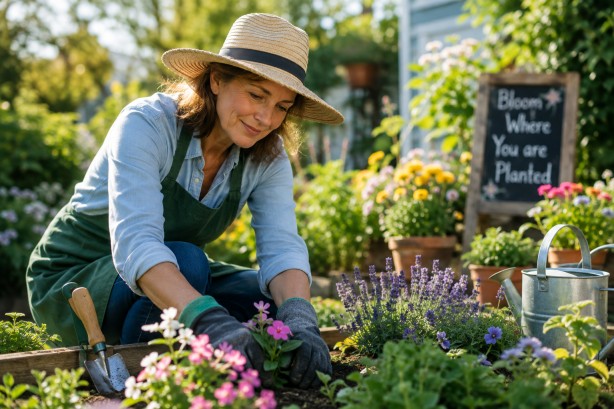
Engaging in gardening is often perceived as a leisurely activity, yet the advantages extend far beyond creating a picturesque garden. This pastime seamlessly integrates physical exercise, outdoor exposure, sensory engagement, and a connection with the natural world, all contributing to improved overall health. Numerous studies have highlighted the significant physical and mental health improvements associated with gardening. Here’s an exploration of six ways this activity can foster a healthier lifestyle.
Firstly, gardening is beneficial for cognitive health. It involves movements, planning, and utilizing various senses. From selecting plants to recalling their care needs and working with soil, these activities offer mental stimulation. Research suggests that regular gardening is correlated with enhanced cognitive function, likely due to its blend of physical exertion, mental engagement, and mood enhancement.
Another key benefit of gardening is its ability to alleviate stress. Being surrounded by greenery can create a soothing environment that helps mitigate stress levels. Tasks like watering, pruning, and planting offer a respite from daily stressors. Lower stress is linked to better health outcomes, making gardening a valuable component of a balanced lifestyle.
Gardening also supports mental well-being by providing a sense of purpose and achievement. Observing plant growth and engaging in routine care encourages outdoor activity and a break from daily distractions. Research indicates that gardening can enhance mood, reduce anxiety and depression, and increase overall life satisfaction.
Moreover, gardening serves as an effective way to incorporate physical activity into daily routines. Activities such as digging, planting, watering, and carrying supplies engage different muscle groups, boosting overall physical activity. For those with sedentary jobs, gardening offers a meaningful way to remain active.
Additionally, gardening naturally increases outdoor time, which can boost vitamin D production through sunlight exposure. Vitamin D is crucial for bone health, immune function, and general well-being. However, it is important to balance sun exposure with appropriate protection, especially during peak sunlight hours. Overall, the combination of physical activity, stress relief, and outdoor time tied to gardening can contribute to better long-term health. Studies have shown that gardening among older adults is linked with improved cardiovascular health and a reduced risk of certain lifestyle-related conditions. Thus, incorporating gardening into an active and balanced lifestyle can promote healthier aging.
Gardening is a simple habit with multiple benefits, requiring neither extensive space nor expertise. Even cultivating a few herbs, tending indoor plants, or caring for flowers for short periods can offer opportunities for movement, relaxation, and a connection to nature. Beyond being merely a hobby, gardening is a straightforward approach to including physical activity, outdoor exposure, and mental relaxation in daily life.